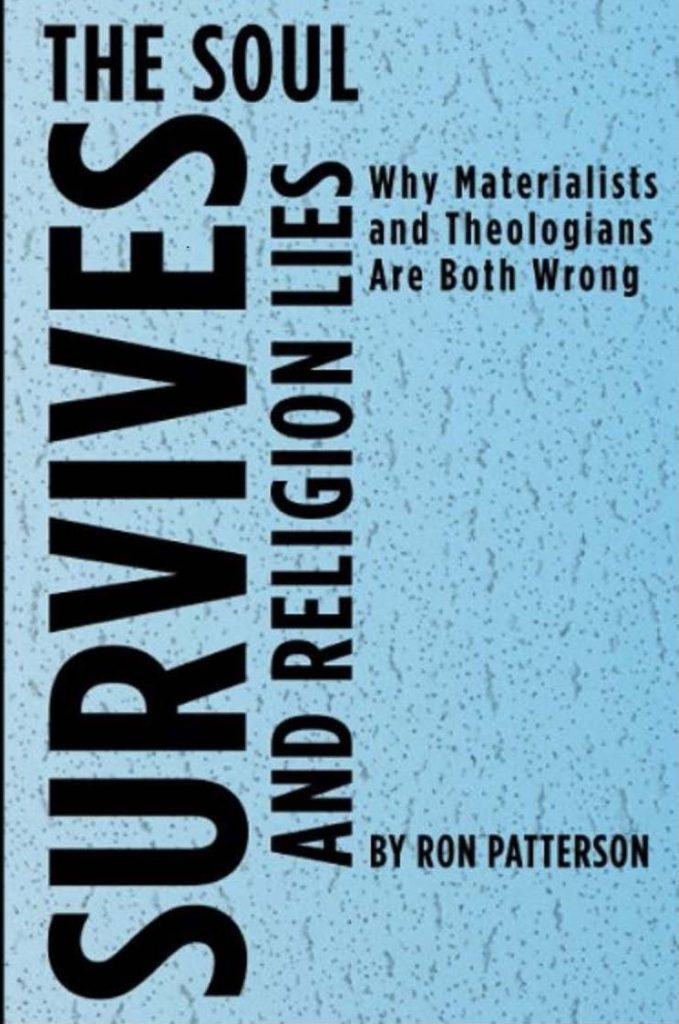
In a world where religious tradition often dictates morality and worldview, Ron Patterson’s work stands out as a thoughtful and rational alternative. Atheism and common sense is not about rejecting spirituality out of spite, it’s about embracing logic, reason, and evidence to navigate life with clarity and integrity. Patterson’s writings offer a compelling guide for anyone seeking understanding beyond dogma.
Atheism and Common Sense: Bridging Logic and Belief
At the heart of Patterson’s philosophy is the idea that atheism and common sense are naturally aligned. By questioning assumptions and evaluating beliefs critically, readers learn to see the world as it is, rather than through the lens of inherited doctrine.
His books emphasize that living without belief in the supernatural does not mean living without morality, purpose, or wonder. Instead, atheism and common sense encourages individuals to base their decisions and values on evidence, empathy, and rational thought, principles that are both practical and empowering.
A Rational Approach to Atheist Beliefs Based on Reason
One of the key strengths of Patterson’s work is its emphasis on atheist beliefs based on reason. He argues that skepticism is not a rejection of wonder but a pathway to intellectual honesty. By examining historical context, psychological influences, and cultural pressures, Patterson demonstrates how beliefs form and why they should be scrutinized.
Through this lens, readers discover that morality, ethics, and purpose do not require divine authority. Instead, atheist beliefs based on reason provide a grounded, consistent framework for living ethically, making decisions responsibly, and approaching life with critical awareness.
Books That Promote Reason Over Faith
Patterson’s work is part of a broader category of books that promote reason over faith. Unlike texts that attack religion with aggression, his writing invites dialogue, introspection, and self-examination.
These books encourage readers to:
- Question inherited beliefs without guilt
- Evaluate evidence before accepting claims
- Develop a personal moral compass based on logic rather than dogma
By presenting books that promote reason over faith in a compassionate and accessible way, Patterson bridges the gap between secular thought and everyday life, making rational inquiry approachable and meaningful.
Why Common Sense Matters in Atheist Philosophy
Patterson emphasizes that reason alone is not enough, common sense is the foundation that makes logic practical. By applying critical thinking to daily decisions, readers learn to assess truth claims, recognize bias, and separate fact from tradition.
This common sense approach makes atheist philosophy not only intellectually rigorous but also applicable in real-world contexts. It shows that living according to evidence and reason does not strip life of beauty, meaning, or morality, it enhances it.
Encouraging Thoughtful Skepticism
Atheism and common sense also encourages thoughtful skepticism. Patterson invites readers to ask questions without fear:
- Why do I hold this belief?
- Is it supported by evidence?
- How does it affect my decisions and values?
This framework helps cultivate atheist beliefs based on reason, fostering self-awareness, accountability, and a deeper understanding of the world. Readers learn that doubt is not a weakness but a tool for intellectual and personal growth.
Final Thoughts: Reason as a Path to Freedom
Ron Patterson’s Atheism and Common Sense is more than a critique of religious belief, it’s a guide to thinking clearly, living ethically, and embracing truth through reason. His work shows that skepticism and rationality do not diminish life’s meaning; they enhance it.
For anyone seeking a thoughtful, practical approach to understanding belief, Patterson’s writings are essential. By exploring atheism and common sense, encouraging atheist beliefs based on reason, and offering some of the best books that promote reason over faith, he equips readers to question thoughtfully, live deliberately, and appreciate the world through logic and clarity.